
Why Some 1776-1976 Half Dollars Stand Above the Rest
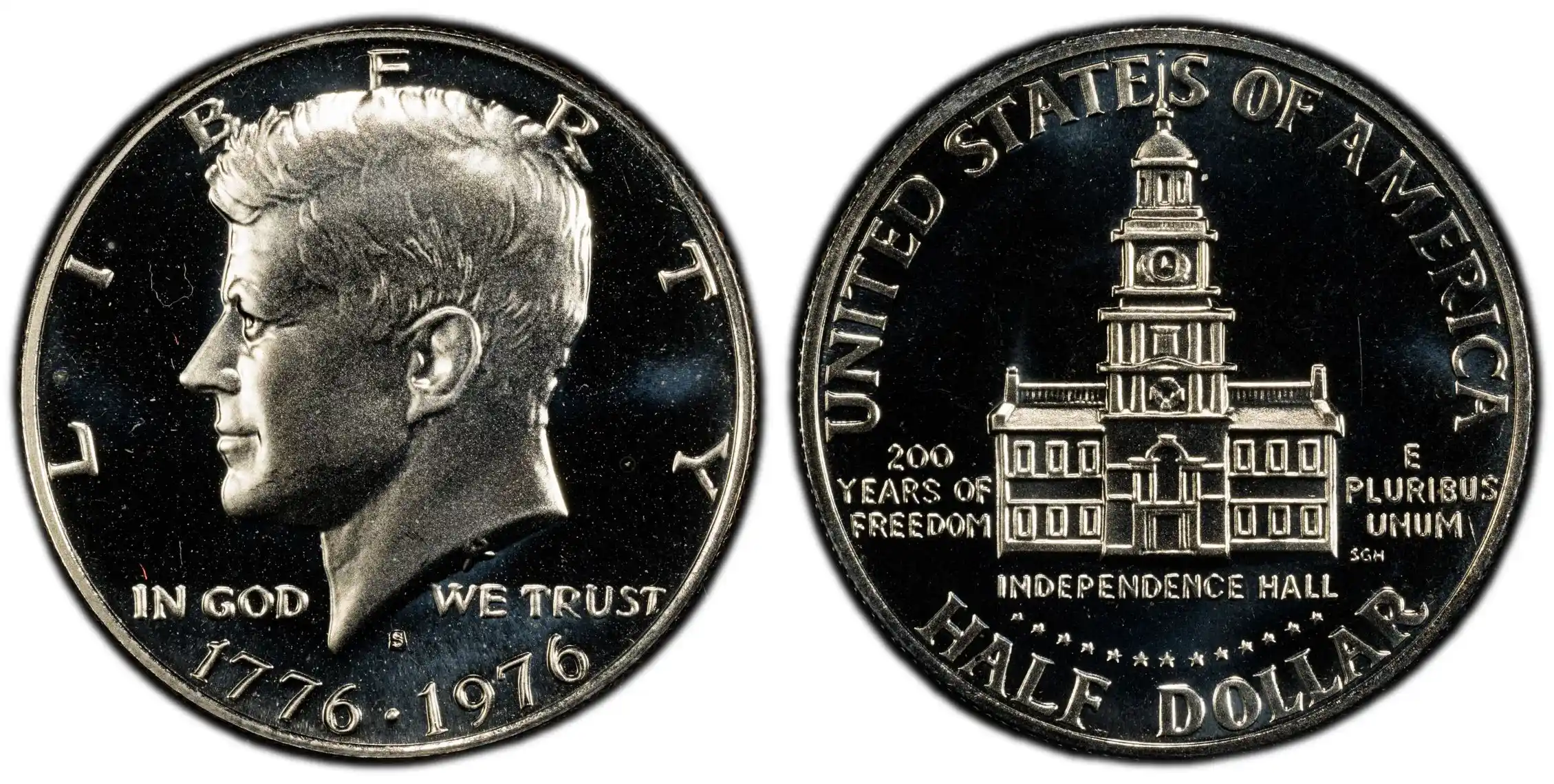
What makes a 1776-1976 half dollar rare? Regular copper nickel 1776-1976 half dollar circulation coins have a low market value ranging from $0.50 to $1.50. High quality copper nickel coins showing no wear marks have a coin market value from $10 to $50.
Special silver metal collector versions cost from $15 to $100 on the active collector market. One rare perfect condietion coin reached a record price of $25000.
Feature | Copper Nickel Type | Silver Type |
Total weight | 11.34 grams | 11.50 grams |
Silver content | 0.00 grams | 4.60 grams |
Diameter | 30.61 mm | 30.61 mm |
Clad metal | Copper nickel alloy | Silver copper alloy |
Mint mark | Philadelphia or Denver | San Francisco |
Metal Content Impact on Coin Value
Metal type directly determines base coin value. Collectors value copper nickel coins based only on coin condition.
Silver coins contain 40% silver metal. Silver coin price depends on global market silver price. Rising silver prices increase coin value.
This list shows silver half dollar metal price changes.
2024: $4.50
2025: $6.30
2026: $8.90
This list shows steady price growth. Investors buy silver bicentennial coins to protect capital. Regular copper nickel coins lack metal value support. Coin rarity determines high grade copper nickel value.
How to Grade Your Coin at Home
Coin condition grading requires close surface inspection. Home grading requires coin-identifier.com. Good desk light helps show surface marks.
Checking Mint Luster
Original mint luster shows no circulation wear. Dull flat spots on Kennedy cheek show wear. Full original luster increases coin value.
Inspecting Kennedy Hair Details
Hair lines above Kennedy ear wear down first. Smooth hair lines lower coin grade. Sharp hair details prove high coin condition.
Searching for Marks and Scratches
Small coin contact marks reduce collector appeal. Inspect open coin fields carefully. Deep field scratches lower coin value by 50%.
Examining Reverse Design
Independence Hall design contains many small details. Thin window frame lines must show clearly. Building dome wear lowers coin value.
Coin Value Chart by Grade
Prices represent coins having no visible mint errors.
Coin Grade | Copper Nickel Type | Silver Type | Silver Proof Type |
MS60 | $1.50 | $9.00 | — |
MS63 | $3.00 | $12.00 | — |
MS65 | $8.00 | $18.00 | — |
MS67 | $45.00 | $80.00 | — |
MS68 | $280.00 | $950.00 | — |
PR67 | — | — | $22.00 |
PR69 | — | — | $45.00 |
PR70 | — | — | $12000.00 |
Price data proves perfect coin condition value. Small grade differences can mean hundreds of dollars. Top coin values require professional auction sales.
Copper nickel MS68 record price is $9600. Silver MS69 record price is $15600. Average collectors trade in a $10 to $100 price range.
Higher coin values require a grading company plastic holder. Buyers refuse paying extra without official grading company certification.
Valuable Mint Errors
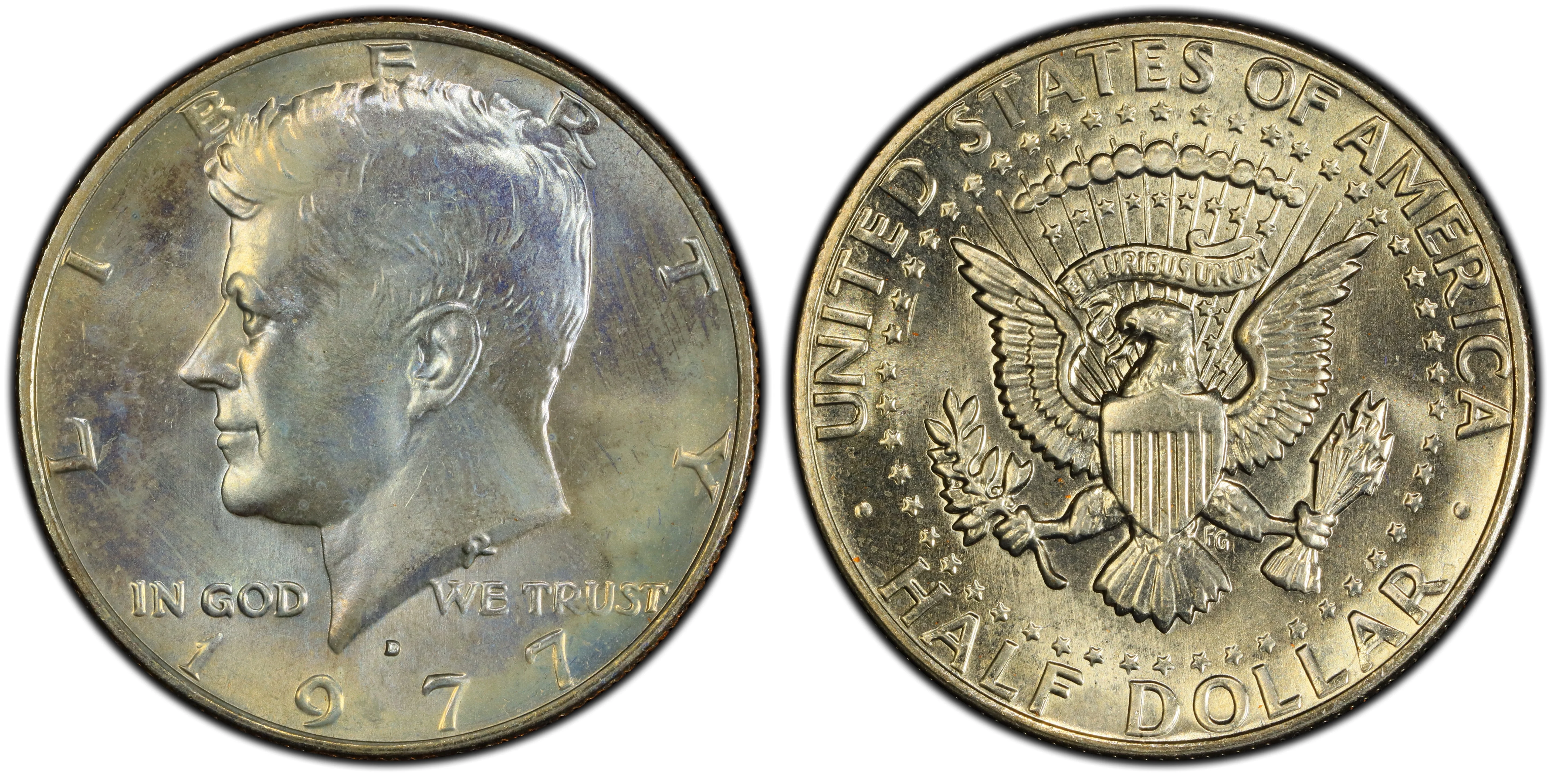
Mint production mistakes make coins unique. Verified mint errors increase base coin value.
Doubled Die Obverse
Die making errors caused double lines. Front coin letters show clear doubled edges.
Average grade doubled die coin value is $150. High grade examples sell for $800.
Off Center Strike
Metal blanks shifted during coin minting. Shifted blank plans cause missing design parts.
A 10% off center strike increases coin value to $50. A 50% off center strike has a $300 value.
No S Mint Mark Error
This coin defect occurs only in proof sets. San Francisco mint workers made proof coins without the S mint mark.
This rare error coin value is $1000. Perfect specimens reach a $3000 price.
Double Strike Error
Coining dies struck the blank twice. Coin surfaces show two overlapping Kennedy portraits.
This rare error guarantees a $500 value. Final error coin price depends on design detail preservation.
Factors Decreasing Coin Value
Poor coin care causes huge financial loss. Cleaning attempts damage coin surfaces.
Metal coin investors must avoid common mistakes. This list shows main coin damage causes.
Improper Metal Cleaning
Acid chemical cleaning destroys original coin patina. Rough cloth rubbing leaves small surface scratches.
Cleaned coins lose 80% market value. Professional coin buyers easily see cleaning damage.
Bad Plastic Storage
Cheap PVC coin holders damage metal surfaces. PVC plastic chemicals create green sticky spots. Removing green residue ruins original metal surfaces. Safe coin storage requires acid free holders.
Fingerprints on Mirror Proof Surfaces
Bare finger contact leaves oil marks on mirror proof surfaces. Finger oil turns into permanent dark spots.
Coin value drops from $100 to face value. Hold valuable collector coins only by coin edges.
Real Life Financial Loss Case
A collector bought a silver half dollar for $400 in 2024. The coin had deep dark original patina. Wanting a shiny coin, the owner used home cleaning chemicals.
Chemical cleaning destroyed the patina and the original mint luster. Later coin grading valued the coin at $15. Destroyed coin surfaces caused this severe price drop.
This mistake shows coin cleaning dangers.
Tips for Maximizing Coin Profit
Successful coin selling requires clear steps. Sell valuable coins only through trusted coin auctions.
Estimate coin value early
Use trusted grading companies
Avoid fast coin sales
Store coins in home safes
Control air humidity levels
Take clear coin photos
Describe coin damage honestly